Choose Your Future

As part of the Future Minds Hackathon ๐Ÿš€, you're not just building a project you're helping shape the future of technology and innovation in education ๐Ÿ“š, sustainability ๐ŸŒฑ, or community impact ๐Ÿค. This is your chance to apply your creativity ๐ŸŽจ, teamwork ๐Ÿค“๐Ÿ‘ฉโ€๐Ÿ’ป, and problem-solving skills ๐Ÿง  to real-world challenges that matter. Remember, this hackathon is more than a competition ๐Ÿ; it's a launchpad for ideas that could make a lasting difference . Embrace the experience, stay curious ๐Ÿ”, and most importantly, have fun while showcasing the future-minded thinker in you! ๐Ÿ’ก Don't forget to download & use the powerpoint template that is below.
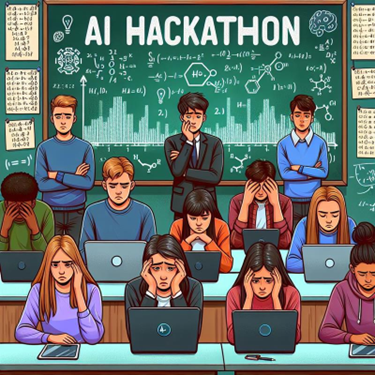
Grade Guard

should be focused on enhancing K-12 mathematics education in South African schools. Aim to develop innovative solutions that address challenges in math learning and teaching. ย The ultimate goal is to boost math proficiency and academic performance among South African teachers and students, ensuring they have a strong foundation for future educational and career opportunities.

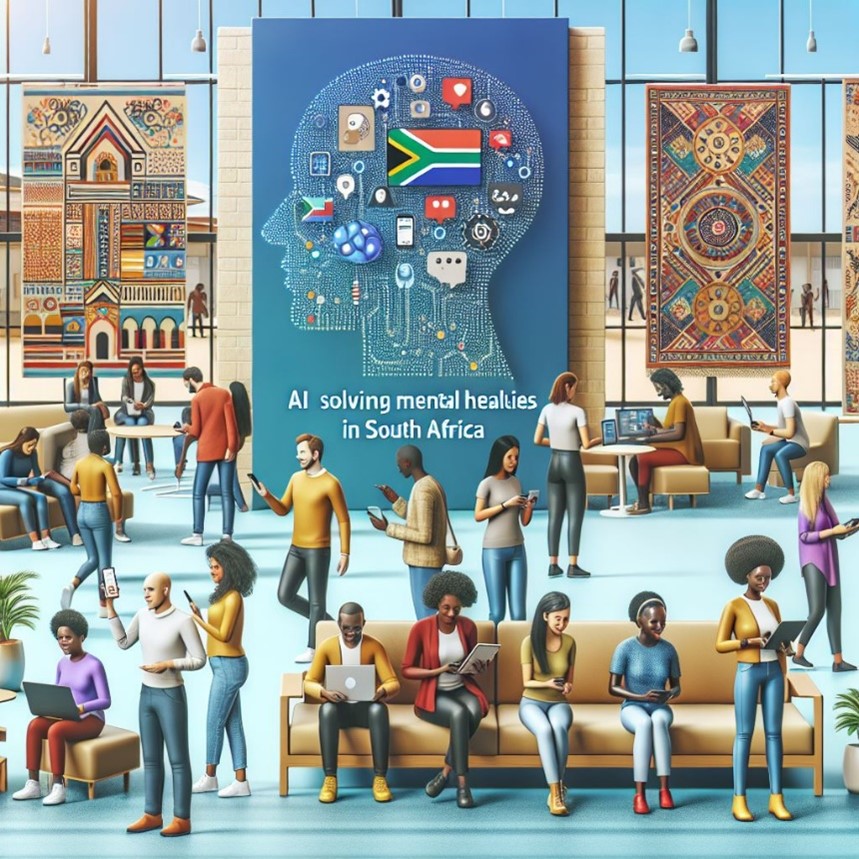
Mental Health

Mental health in South Africa is a serious issue, worsened by limited access to care, especially in rural areas, and a shortage of professionals. Stigma, poverty, and past trauma add to the challenge. While community programs help, more support and awareness are urgently needed.

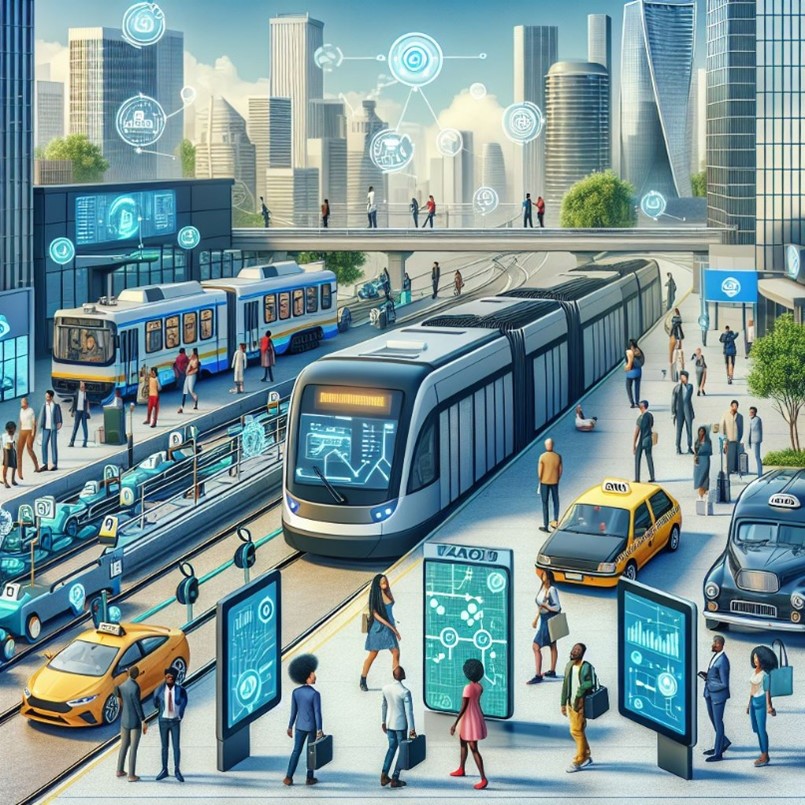
Transportation

Transport in South Africa combines strong infrastructure with major challenges. While roads, ports, and airports are well-developed, public transport struggles with safety, overcrowding, and poor maintenance. Rural areas face limited access, and inequality in the system remains a concern.

Literacy in the Digital Age

should aim to enhance literacy and comprehension skills in K-12 and higher education. Design innovative solutions that integrate digital tools and technologies to improve reading, writing, and comprehension. The focus is on creating engaging and effective educational resources that cater to the needs of modern learners, often referred to as "digital citizens." By leveraging technology, the initiative aims to make literacy education more interactive, accessible, and relevant, ultimately boosting students' academic performance and preparing them for future challenges in the AI Economy.